Severe Calf Pain
Chronic Exertional Compartment Syndrome
Severe, exercise-induced calf pain has many possible causes. One important and often under-recognised cause is chronic exertional compartment syndrome (CECS) — a condition where pressure builds inside the muscle compartments of the lower leg during activity, causing pain that reliably eases with rest.
What is chronic exertional compartment syndrome?
The muscles of the lower leg are divided into compartments, each surrounded by a tough, inelastic sheet of tissue called fascia. During exercise, muscles swell and the pressure inside these compartments rises. In CECS, the fascia does not allow enough room for this expansion, so pressure builds to a level that restricts blood flow and irritates the nerves — producing pain, tightness and sometimes numbness. Once exercise stops, the pressure falls and the symptoms settle within minutes.
Typical symptoms
- Aching, tightness or cramping in the calf that comes on predictably during exercise
- Pain builds with activity and eases within minutes of stopping
- May be associated with tingling, numbness or a sensation of tightness/swelling
- Often affects both legs and recurs at the same point in a run or workout
- Typically seen in runners, athletes and physically active people
Diagnosis
How CECS is diagnosed
Diagnosis begins with a detailed history and examination. The hallmark is pain that comes on at a predictable point during exercise and resolves quickly with rest. At rest the leg often looks and feels completely normal.
- Clinical assessment to characterise the pain and exclude other causes.
- Investigations such as X-ray, MRI or bone scan to rule out stress fractures and other bone or soft-tissue problems.
- Vascular studies (such as dynamic ultrasound or angiography) where a vascular cause is suspected.
- Intracompartmental pressure measurement before and after exercise — the definitive test that confirms the diagnosis.
Treatment
Treatment options
Treatment depends on the severity of symptoms and how much they limit your activity. Many patients begin with conservative measures before considering surgery.
Activity modification & rehabilitation
Reducing or changing the offending activity, gait and running-technique retraining, stretching and a structured physiotherapy programme. Some athletes improve with conservative measures alone.
Adjuncts
Orthotics, appropriate footwear, cross-training, and addressing biomechanical factors. Botulinum toxin injections have been used in selected cases.
Fasciotomy (surgery)
The definitive treatment for confirmed chronic exertional compartment syndrome. The tight fascia surrounding the affected compartment(s) is released to relieve the pressure that builds during exercise, allowing the muscle to expand normally.
Informed consent
Risks of surgery (fasciotomy)
Fasciotomy is generally successful in relieving symptoms, but as with any operation there are risks. Mr Rehmatullah will discuss these with you in detail before any decision is made.
Benefits
- •Relief of exercise-induced calf pain
- •Return to running and sport for many patients
- •Resolution of tightness and numbness
Risks
- •Infection
- •Bleeding and bruising
- •Nerve damage causing numbness or weakness
- •Damage to blood vessels
- •Blood clot in the leg or lungs (DVT/PE)
- •Muscle herniation through the released fascia
- •Incomplete relief or recurrence of symptoms
- •Further surgery
- •Scars
Differential diagnoses
Other causes of severe calf pain
Because several conditions can mimic CECS, a careful assessment is essential to reach the correct diagnosis before considering treatment. The main conditions to consider include:
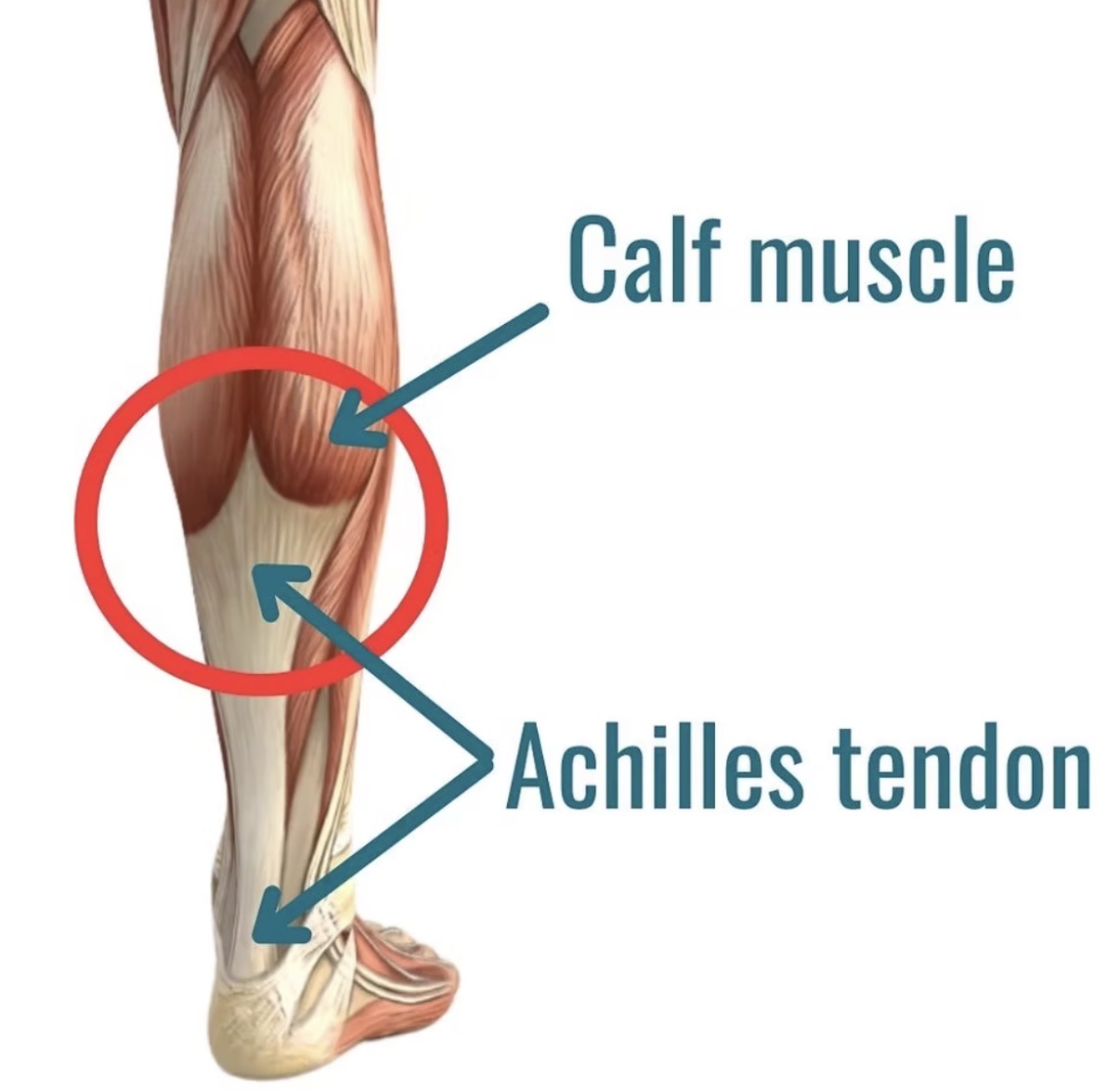
Calf muscle strain
Injury of the calf muscles or tear of the muscle at the region where the muscle becomes tendon — the musculotendinous junction. Also includes gastrocnemius/soleus tears, calf strains or Achilles tendinopathy producing localised pain and tenderness.
Medial tibial stress syndrome (shin splints)
Pain along the inner border of the shin from overload of the muscle–bone junction; tender to touch over the bone rather than deep within the muscle.
Tibial stress fracture
Focal, point-tender bone pain that can persist after exercise and at rest; confirmed on MRI or bone scan.
Popliteal artery entrapment syndrome
Calf claudication in young, active patients caused by compression of the artery; assessed with dynamic ultrasound or angiography.
Peripheral arterial disease / claudication
Reduced blood flow causing exertional calf pain, usually in older patients or smokers; reproducible at a fixed walking distance.
Deep vein thrombosis (DVT)
Calf swelling, warmth and tenderness — an important condition to exclude as it requires urgent treatment.
Lumbar nerve root irritation (sciatica / radiculopathy)
Referred pain, numbness or weakness from the lower back travelling into the calf.
Baker's cyst or other soft-tissue lesions
Swelling behind the knee that can cause calf discomfort and tightness.