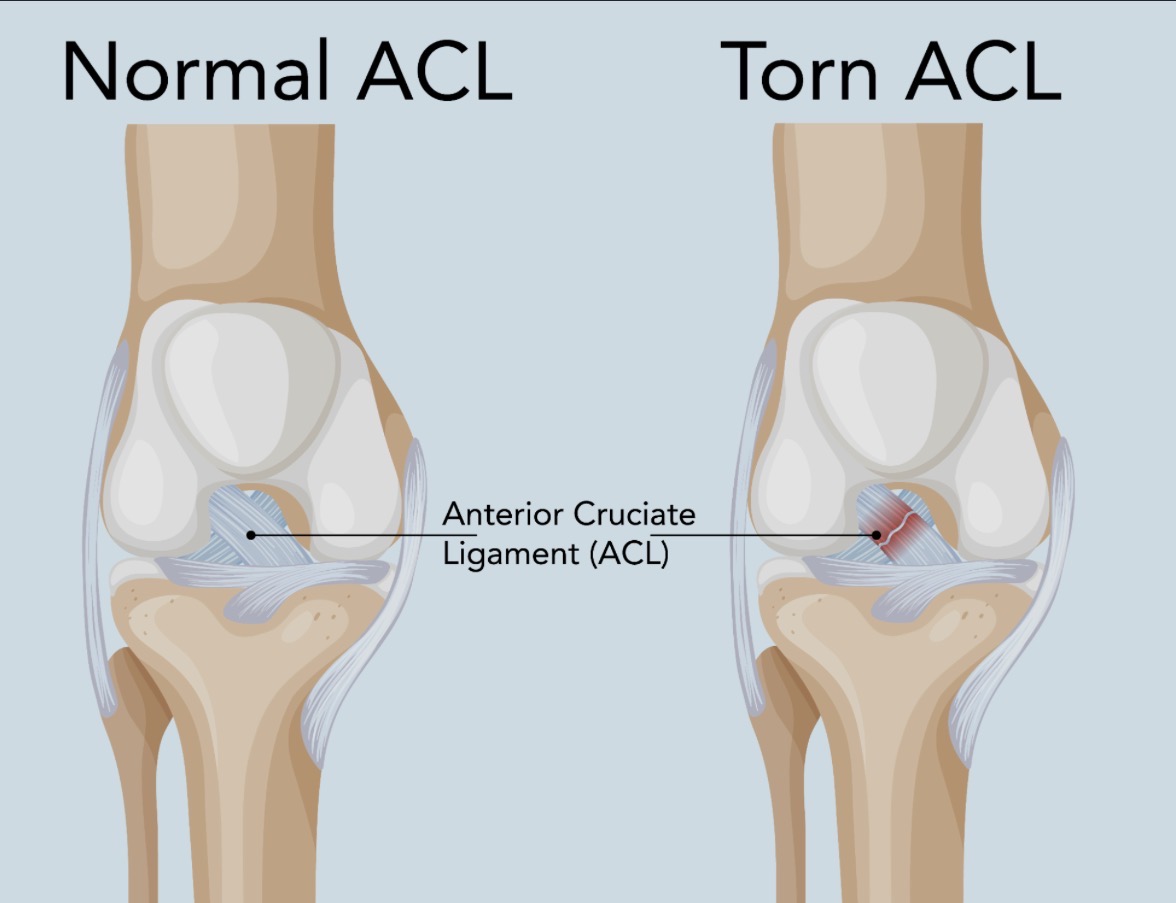
Do I need an ACL reconstruction?
Treatments
ACL Reconstruction
Mr Rehmatullah performs autograft and allograft primary and revision ACL reconstructions using modern, minimally invasive all-inside techniques on the femur designed to preserve bone, restore stability, and return patients to sport. Specific situations where a brace would be required, usually for 6 weeks after surgery, would be those patients younger than 25 and those who have had a meniscal repair.
Do I need an ACL reconstruction?
- Knee giving way during activities
- Wanting to return to sports where your knee twists when you put weight on it
- Young age (<50 but can be older) to reduce the risk of accelerated arthritis
- The feeling of your knee being unstable
What if I don't get my ACL reconstructed?
- Reduced stability with increased risk of further damage
- Increased movement and friction between thigh bone and shin bone and quicker arthritis progression
- Earlier knee replacement
Symptoms
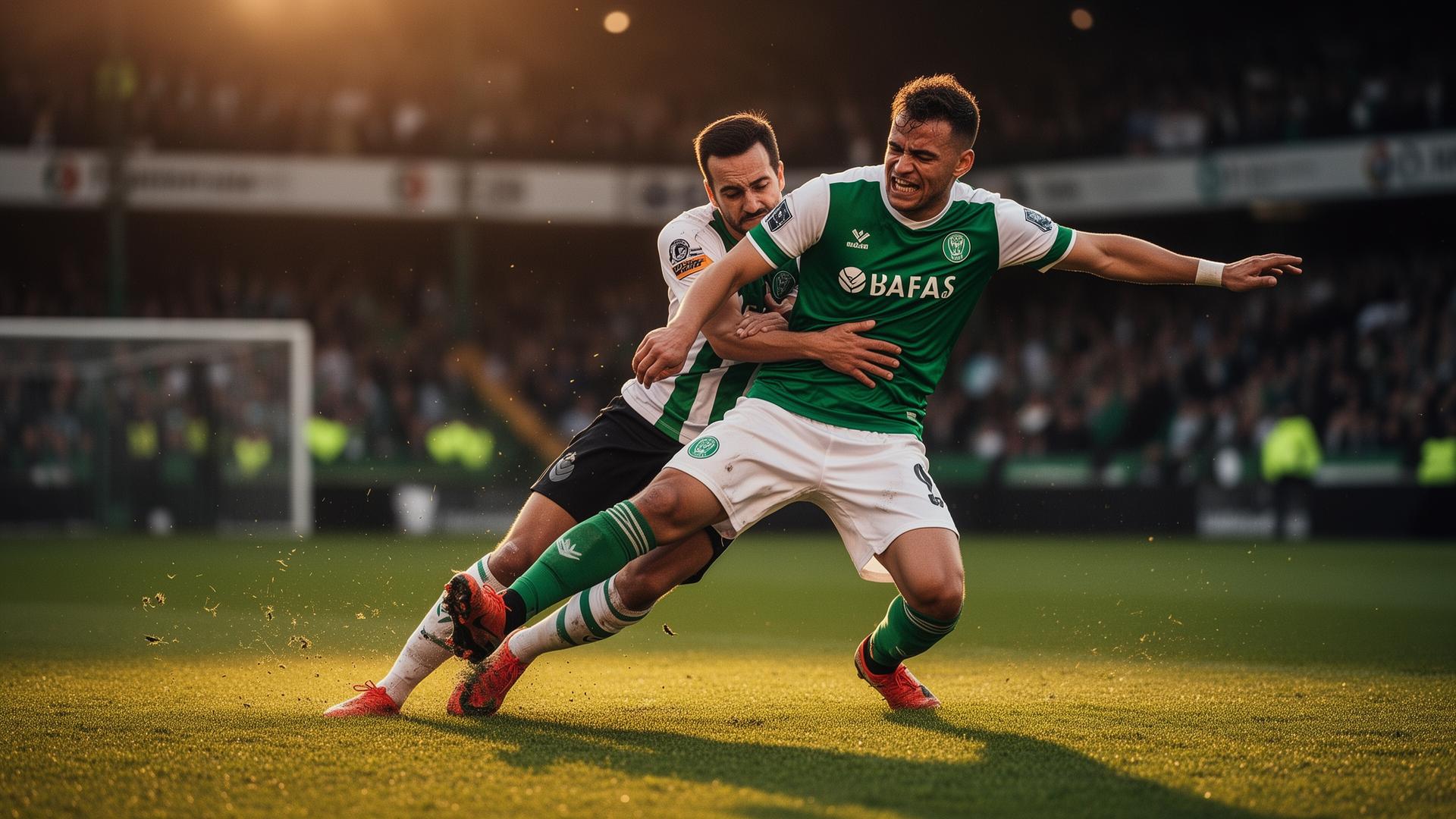
Classic Symptoms of an ACL Tear
ACL injuries usually happen during sport or activity when the knee twists or gives way. Knowing the typical signs helps you recognise when to seek assessment.
A loud pop
Many people hear or feel a distinct pop in the knee at the moment of injury.
Rapid swelling
The knee usually swells within a few hours because bleeding inside the joint fills it with fluid.
Feeling of instability
The knee may feel loose or give way, especially when turning, pivoting, or going down stairs.
Pain and reduced movement
Pain at the front and sides of the knee with difficulty fully bending or straightening the leg.
Associated injuries
- 1. Meniscal tears
- 2. Cartilage injury over the ends of the bones
- 3. Other ligament injuries
Sometimes misdiagnosed as a patella (kneecap) dislocation
An ACL tear and a patellar dislocation can look remarkably similar at first. Both usually follow a twisting injury, both leave the knee swollen and feeling as though it has given way, and in both the swelling settles over a few weeks. It is not unusual for one to be mistaken for the other, or for both to have happened at the same time.
Getting the diagnosis right matters, because the treatment and the rehabilitation that follow are different. Examination of how stable the kneecap is, together with an MRI, usually settles the question.
Surgical technique
ACL Reconstruction with the Arthrex FlipCutter® III Drill
Mr Rehmatullah uses the Arthrex FlipCutter® III drill for minimally invasive all-inside ACL reconstruction on the femur, preserving bone and enabling precise tunnel placement.
Graft choice
Autograft (hamstring, quadriceps or BTB) and allograft options are discussed and individualised to your sport, age and goals.
Primary & revision
Both primary reconstructions and complex revision cases are performed, with augmentation where indicated.
Lateral Extraarticular Tenodesis (LET)
Patients under 25 years of age, those with high rotational instability, or those with hypertension may also be recommended to add in a Lateral Extraarticular Tenodesis (LET), which is a short second ligament reconstruction that significantly helps protect the ACL reconstruction.
Recovery
Surgery and Rehab for ACLs
99% of the time ACL reconstructions are performed as daycase operations. No brace is usually given unless specifically indicated. You will be able to fully weight bear and I encourage you to move your knee as much as you can as early as you can.
0 – 6 months
Early recovery
Start muscle strengthening, followed by cycling and running in a straight line.
6 months
Return to activity
You will be able to run outside and participate in sporting activities.
You will be able to do non contact and non high impact pivoting sports.
6 – 9 months
Caution period
This is the time when the ligament is at its weakest and re-ruptures occur if you push your knee too fast.
12 months
Full return to sport
Full contact sports can restart 12 months after surgery.
Informed consent
Benefits and Risks of ACL Reconstruction
Understanding the potential benefits and risks helps you make an informed decision about your treatment. Mr Rehmatullah will discuss these in detail at your consultation.
Benefits
- •Improve knee stability
- •Reduce symptoms and pain
- •Reduce early arthritis onset
Risks
- •Infection
- •Bleeding
- •Nerve damage
- •Blood clot in leg and lung
- •Stiffness
- •Failure of surgery
- •Further surgery
- •Scars
- •Saphenous nerve damage causing altered sensation over inside part of leg below your knee and above your ankle
Important points after surgery
- Driving: Not insured for 6 weeks minimum from the date of surgery.
- Flying: Advise not to fly for 3 months after surgery due to increased risk of blood clots.
After surgery if you or anyone have concerns about your wound please contact my secretary or myself and do not start any antibiotics unless advised by myself.