Knee Pain
Medial Plica Syndrome
Medial plica syndrome is a cause of anterior knee pain resulting from irritation or inflammation of the medial plica — a fold of synovial tissue on the inner side of the knee. When this tissue becomes thickened or inflamed it can cause pain, clicking and a sense of catching in the knee.
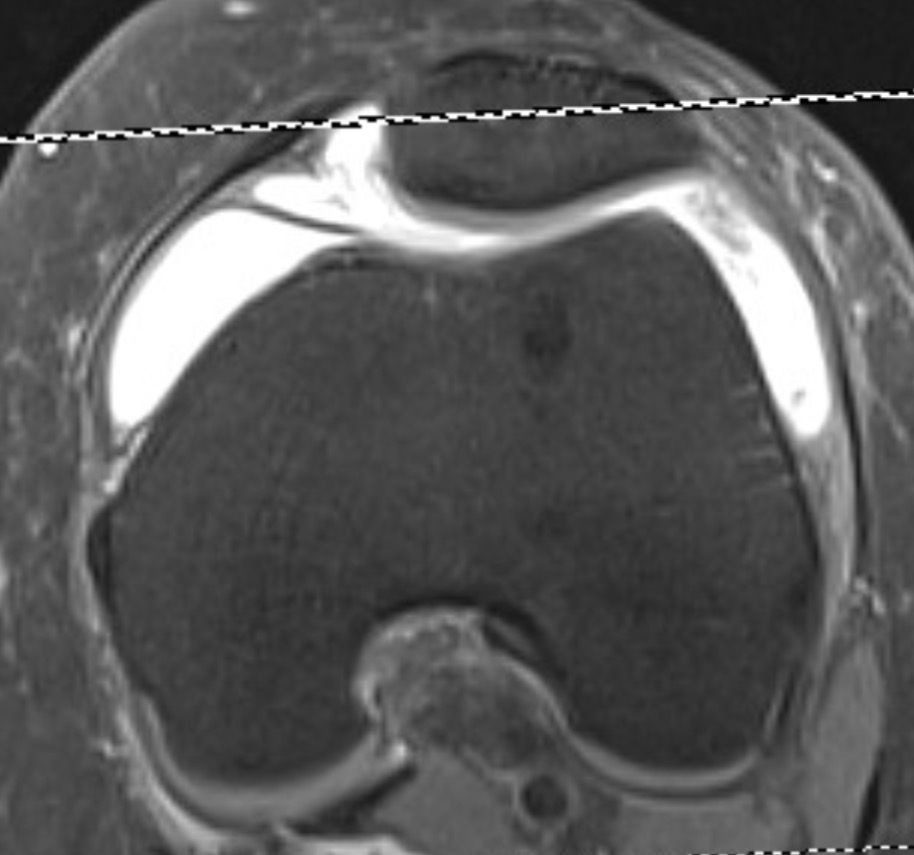
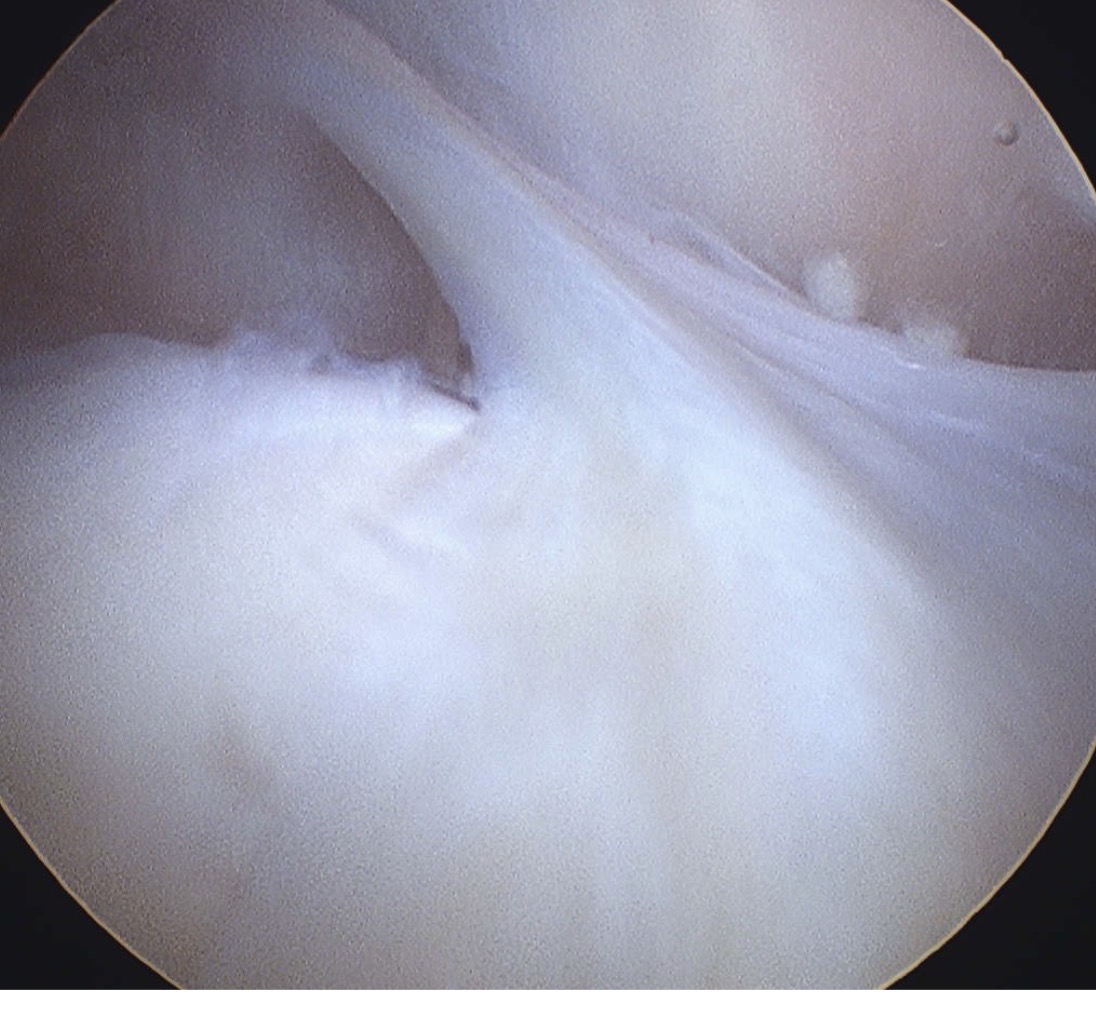
What is the medial plica?
The plica is a normal remnant of synovial tissue from early development. Most people have one and it causes no symptoms. The medial plica runs along the inner (medial) side of the knee and can become irritated by repetitive motion, direct trauma, or activities that involve repeated bending and straightening — such as running, squatting or using stairs. When irritated the plica thickens and becomes more prone to catching between the bones of the knee, leading to pain and inflammation.
Symptoms
The most common symptom is a dull aching pain over the inner (medial) aspect of the knee, often just above the joint line. Some patients report a snapping, catching or popping sensation when bending or straightening the knee. Symptoms are typically worse with activity, prolonged sitting, squatting, kneeling or using stairs. There may be localised tenderness over the medial plica and occasionally mild swelling.
Diagnosis
Diagnosis is made through a careful history and examination. Mr Rehmatullah will look for tenderness over the medial plica, pain with repeated bending and straightening of the knee, and any snapping or catching sensation. There is no single test that confirms the diagnosis — it is often one of exclusion where other causes of medial knee pain such as a meniscal tear or osteoarthritis are ruled out. An MRI scan can sometimes show a thickened plica but is mainly used to exclude other pathology.
Treatment options
Non-surgical treatment
Most cases respond well to conservative measures. These include activity modification, physiotherapy focusing on quadriceps and hip strengthening, anti-inflammatory medication and occasionally a corticosteroid injection into the knee to reduce inflammation around the plica. Ice and avoiding aggravating activities such as deep squatting or repeated kneeling are important.
Arthroscopic surgery
If symptoms persist despite an adequate trial of non-surgical treatment, arthroscopic (keyhole) surgery may be recommended. This involves releasing or removing the thickened plica using small instruments inserted through tiny incisions. It is a relatively straightforward day-case procedure with a good success rate for carefully selected patients. Recovery is usually rapid with physiotherapy and a graded return to activity.