Anterior Knee Pain
Anterior Knee Pain — Causes and Treatments
Pain at the front of the knee is one of the most common reasons patients come to see me. The great majority improve without surgery once the underlying cause is correctly identified and addressed with a structured plan.
Overview
What is anterior knee pain?
Anterior knee pain is an umbrella term for pain felt at the front of the knee, around or behind the kneecap (patella). It is especially common in active people, in adolescents during growth spurts and in those whose kneecap does not track smoothly in its groove on the front of the thigh bone.
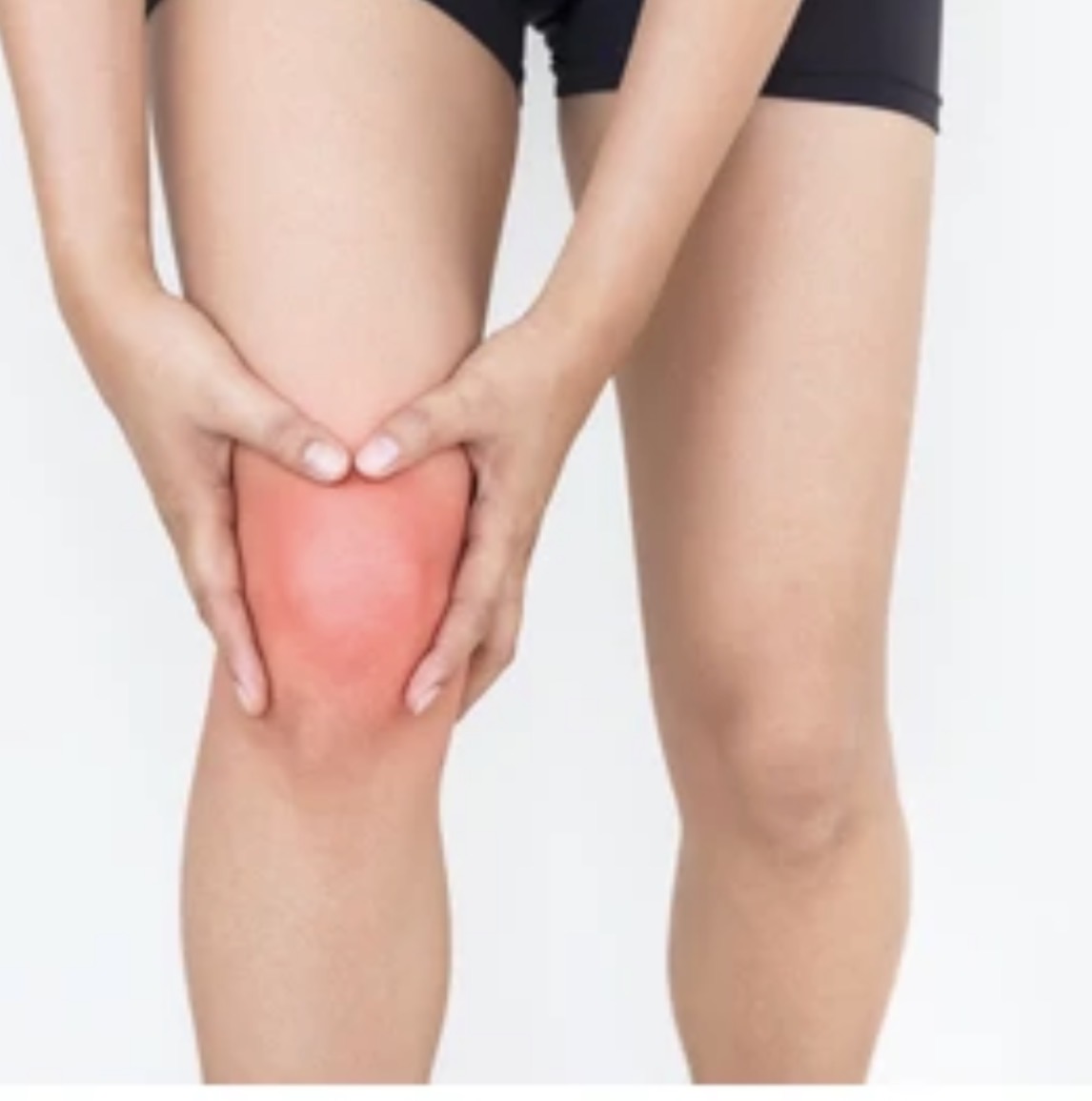
It is rarely caused by a single problem. Most often it is a combination of factors — alignment, muscle balance, activity load and sometimes the shape of the joint itself — and the most successful treatment plans address all of the contributing causes together.
Common causes
- Patellofemoral pain syndrome (maltracking of the kneecap)
- Chondromalacia patellae — softening of the cartilage behind the kneecap
- Patellar and quadriceps tendinopathy (jumper's knee)
- Patella alta — a high-riding kneecap that fails to engage the groove
- Muscle imbalance or weakness of the quadriceps and hip stabilisers
- Overuse from running, jumping or repetitive squatting
- Early patellofemoral arthritis
- Fat pad impingement and synovial irritation
Typical symptoms
- Aching pain at the front of the knee, around or behind the kneecap
- Pain worse going up or down stairs and on prolonged sitting
- Grinding, clicking or a feeling of the knee giving way
- Swelling or a sense of pressure after activity
How it is diagnosed
- Detailed history of your activities, symptoms and previous injuries
- Examination of patellar tracking, alignment and muscle strength
- X-rays to assess kneecap position and the patellofemoral joint
- MRI scan where cartilage, tendon or soft-tissue detail is needed
Non-operative treatment plan
The first-line treatment for almost all anterior knee pain is non-surgical. The plan below is followed through in stages, with progress reviewed along the way.
0 – 6 weeks
- Activity modification and load management
- Anti-inflammatory measures and ice as needed
- Start physiotherapy focused on quadriceps and hip control
6 weeks – 3 months
- Progressive strengthening and patellar taping or bracing
- Address foot posture and consider orthotics if needed
- Graded return to running and sport
3 – 6 months
- Review progress and maintain a long-term exercise routine
- Consider injection therapy (PRP) where appropriate
- Investigate further only if symptoms persist
A specific and common cause
Patella tendinopathy (jumper’s knee)
Patella tendinopathy is pain and stiffness in the tendon that runs from the bottom of the kneecap down to the top of the shin bone. It is one of the commonest causes of pain at the front of the knee in runners and in anyone who jumps, squats or repeatedly loads the knee, and it usually develops when load is increased faster than the tendon can adapt to.
Physiotherapy comes first
Structured physiotherapy is the treatment that actually changes the tendon. Shockwave and PRP both work best alongside it, and neither one replaces it. The programme is built up in stages:
- Load management — reducing what irritates the tendon without becoming inactive
- Isometric quadriceps exercises for short-term pain relief
- Progressive heavy, slow strengthening to rebuild tendon capacity
- Energy-storage work (jumping and running drills) before a graded return to sport
- Hip and core control, plus a review of training errors, footwear and foot posture
Most people notice a difference over 6 – 12 weeks of consistent work. Skipping the rehab is the commonest reason injections and shockwave disappoint — the tendon never regains the capacity it needs, and symptoms return as soon as activity picks up again.
Extracorporeal shockwave therapy
Sound waves passed through the skin into the painful part of the tendon. It is usually offered when symptoms have lasted three months or more despite good physiotherapy.
What the evidence shows
- Systematic reviews of randomised trials in chronic patellar tendinopathy report less pain and better function after shockwave than after sham treatment.
- Benefit is reported at three to six months and beyond, and is greatest when shockwave is delivered alongside a loading programme rather than on its own.
- Temporary soreness, bruising or redness over the tendon is common and settles quickly.
Typical course: 3 – 5 sessions, 1 – 2 weeks apart
PRP injection
Platelet-rich plasma prepared from your own blood and injected into the tendon, usually with ultrasound guidance so it is placed precisely.
What the evidence shows
- Randomised trials and meta-analyses show PRP gives better pain and function scores than placebo or hyaluronic acid in chronic patellar tendinopathy.
- In several studies the improvement is still present at 12 months and beyond.
- It is not a quick fix. Symptoms settle gradually over weeks, and the tendon still needs loading work for the result to last.
Usually one ultrasound-guided injection; a repeat is sometimes advised
A note on steroid injections: these are not recommended around the patellar tendon. They can give short-term pain relief but weaken tendon tissue and carry a real risk of rupture, and the evidence does not support their use in tendinopathy.
Surgical options when needed
Surgery is only considered when a clear structural cause is found and a thorough non-operative programme has not relieved symptoms. The procedure is tailored to the underlying problem.
Arthroscopy
- Keyhole assessment and treatment of cartilage damage
- Removal of inflamed tissue or fat pad impingement
Realignment surgery
- Tibial tubercle transfer to correct kneecap tracking
- MPFL reconstruction where there is associated instability
- Realignment surgery - DFO
Recovery timings after surgery
0 – 6 weeks
- Crutches and early physiotherapy
- Protect the knee while soft tissues or bone heal
6 weeks – 3 months
- Progressive strengthening and increasing weight bearing
- Repeat X-ray after osteotomy to confirm healing
3 – 6 months
- Return to sport and full activity as strength allows
- Final review to confirm a good, lasting result